
Agentic AI: Game-Changing Tech or Just Marketing Hype?

Since 2024, “Agentic AI” has quickly become one of the most talked-about concepts in the AI world. It’s often described as the next generation of intelligent systems—capable of sensing their environment, setting goals, using tools, executing tasks, and even correcting themselves when things go off track. Compared to traditional RPA or virtual assistants, Agentic AI comes with a much bolder promise: it’s no longer about running rigid scripts, but about acting with a degree of autonomy that feels almost human.
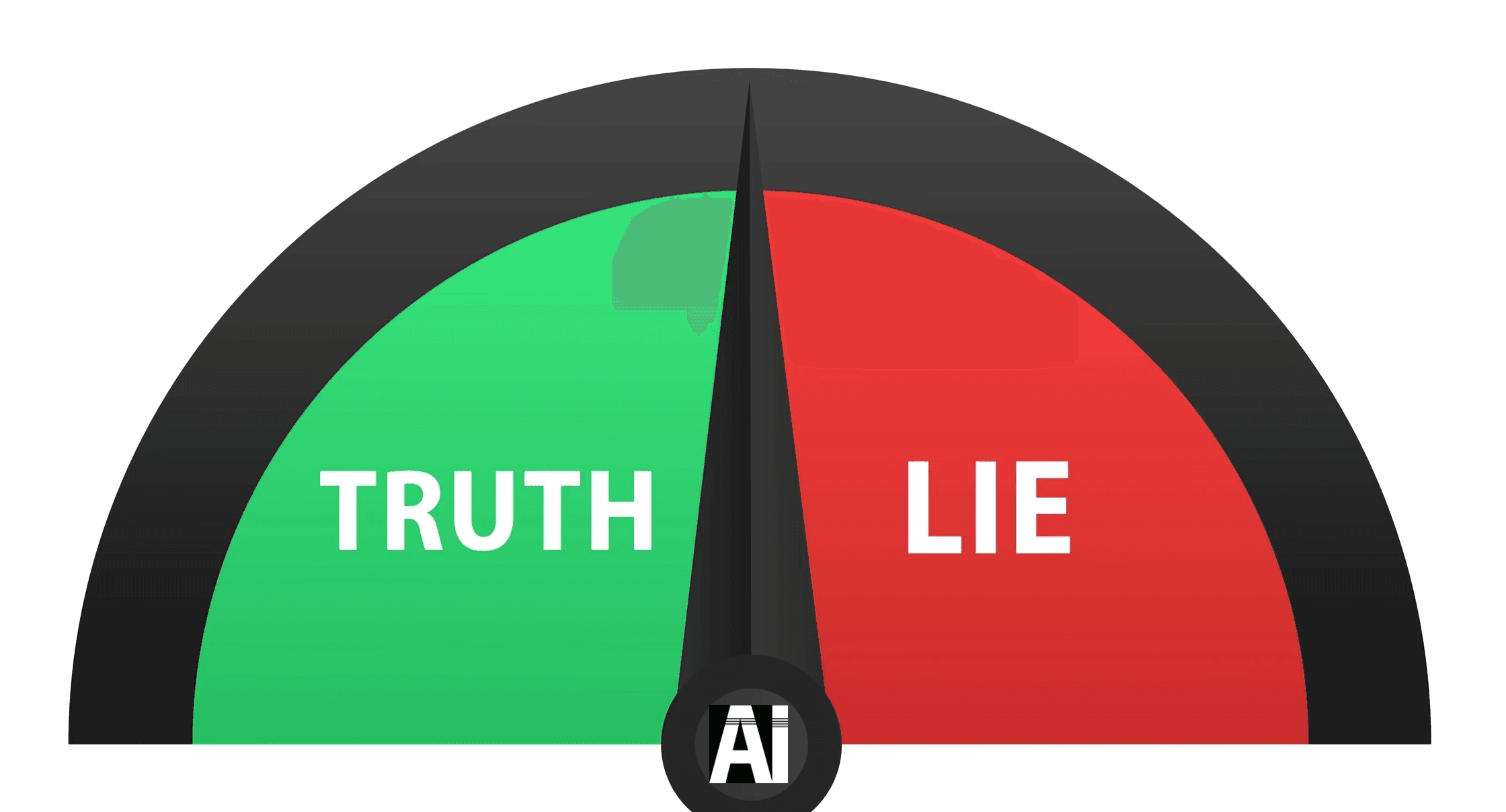
That’s why some media outlets and investors have dubbed 2025 “the first year of AI agents.” Big tech companies are launching new initiatives, and capital is pouring in. But as the hype grows, so do the doubts. Are today’s Agentic AI systems really as capable and adaptable as industry narratives claim? Gartner’s forecast adds fuel to the skepticism: by the end of 2027, more than 40% of agentic AI projects are expected to be canceled due to rising costs, unclear business value, or insufficient risk control.
So the real question is: are we witnessing an AI agent revolution—or just another round of buzzword-driven speculation?
What Is Agentic AI, Really?
At its core, Agentic AI refers to AI systems that combine machine learning models with external tools, services, and applications to automatically execute tasks or business processes. Think of it as an AI operating inside a continuous feedback loop—responding to inputs, calling APIs, interacting with systems, and adjusting along the way.
For example, if you ask: “Find all relevant materials about AI agents, summarize them, and email me the results,” an authorized Agentic AI system should be able to browse the web, process information, access email tools, and complete the task more efficiently than a traditional script—or even a human.
Agentic AI vs. AI Agents: Why the Confusion?
It’s easy to mix up “Agentic AI” and “AI agents,” and honestly, the boundary between the two is still blurry. The term “Agentic AI” doesn’t yet have a universally accepted definition. As more companies step into this space and deliver compelling real-world products, its meaning will likely become clearer.
For now, here’s a practical way to think about it:
An AI agent typically refers to a tool that performs tasks more intelligently than traditional automation. It can read, reason, and act—but usually within strict, predefined rules. Agentic AI, on the other hand, describes a broader system made up of multiple cooperating agents. More importantly, it can make decisions based on its environment, adapt its approach, and even create new paths forward—rather than simply following fixed rules.
Why the Hype Feels Familiar
Technology history is full of examples where concepts raced ahead of reality: the internet bubble of the 1990s, the blockchain whitepaper boom, the metaverse craze. In many cases, companies weren’t selling scams—they were selling futures that arrived much later than promised.
That’s why it’s important to separate two questions:
What can Agentic AI actually do today?
What Is Agentic AI Trying to Solve?
Many people summarize Agentic AI as “AI that helps you get things done.” But if that only means auto-replies or basic workflows, it’s not fundamentally different from RPA, scripts, or CRM plugins. The real ambition of Agentic AI is deeper: transforming AI from a passive tool into an active collaborator.
Today’s large language models are powerful, but fundamentally reactive—you ask, they answer. They lack long-term goals, persistent memory, and real feedback loops with their environment. Agentic AI aims to fill these gaps by adding goal-setting mechanisms, tool usage, state tracking, and memory—turning a “smart responder” into a semi-autonomous system.
The Engineering Reality Behind Agentic AI
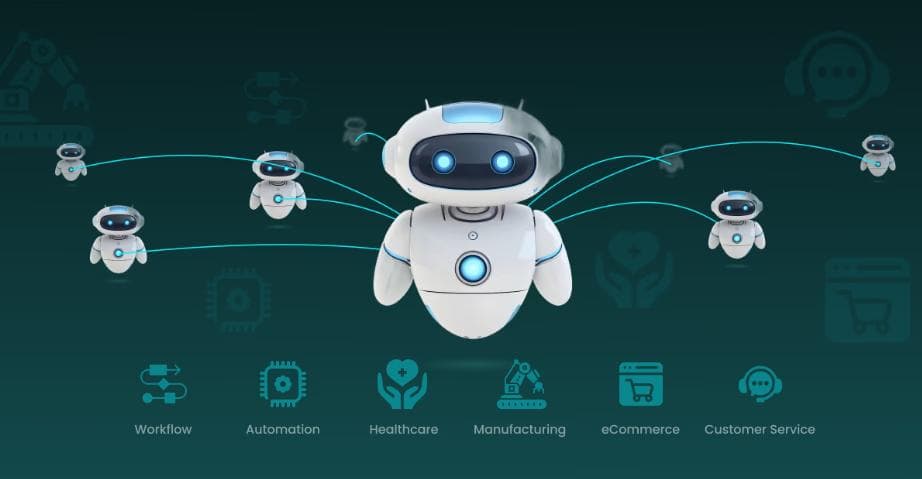
Agentic AI isn’t a single breakthrough—it’s the convergence of multiple challenges. On the cognitive side, it must simulate a loop of planning, execution, and reflection without true self-awareness. On the engineering side, it must integrate smoothly with existing enterprise systems like ERP, CRM, and databases. And from a control perspective, it must remain safe and constrained.
A useful analogy is autonomous driving: before cars could drive themselves, engineers had to solve perception, decision-making, and safety constraints. Agentic AI faces a similar set of hurdles.
Why Progress Feels Slower Than Expected
Agentic AI will arrive incrementally. In practice, we’re seeing three stages emerge:
Stage 1: Smarter plugins—customer support agents or e-commerce automation tools
Stage 2: Workflow coordinators—systems that move fluidly across tools and departments
Stage 3: Semi-independent digital workers that can break down vague goals and execute over time
Most real-world deployments today sit in stages one or two, which explains why expectations often exceed reality.
In simple terms, Agentic AI’s real value lies in reducing human context switching and repetitive labor in complex workflows.
Agentic AI in Customer Service: Where It Already Works
Unlike the sci-fi vision of an all-powerful digital assistant, AI customer service agents are already delivering real value across industries. Their impact is straightforward: fewer support hours, faster responses, and higher customer satisfaction.
From handling repetitive questions and managing omnichannel conversations, to executing workflows like returns and providing real-time multilingual support, these agents are quietly becoming digital teammates rather than flashy demos.
Separating Real Value from Marketing Noise
Some companies promote “Agentic AI” primarily to sell API usage, SaaS subscriptions, or future growth stories. That doesn’t mean the technology is fake—but it does mean buyers need to be selective.
Focus on what actually works today. Evaluate ROI. Watch for ecosystem maturity. Real adoption shows up in consistent usage and standardized integrations—not just bold promises.

Final Thoughts
Research from institutions like Carnegie Mellon and Salesforce consistently points to the same conclusion: Agentic AI holds enormous promise, but it’s not yet ready to fully replace humans in complex, real-world office environments.
Today, Agentic AI sits in the early stages of the hype cycle—talked about more than it’s used. That doesn’t make it a failure. It means the groundwork is still being laid.
Just like the early internet, its most transformative impact may come quietly—embedded into everyday tools. One day, Excel may run your analysis, your inbox may prioritize itself, and customer support systems may handle most requests automatically. You might not even call it an “agent” anymore—but your workday will feel very different.
The real hype isn’t that Agentic AI won’t work—it’s that marketing suggests it will arrive five to ten years sooner than it realistically can.
Try 3Chat.ai today 👈 Deliver expert-level customer support to your customers 24/7.
📞 Contact us for customized solutions
📩 Email: [email protected]
🌐 Website: www.3chatai.cn
